

Exercise Snacks: Easily Stay Fit in a Busy World
In the hustle and bustle of daily life, finding time to fit in a full workout can often feel impossible.
Whether you’re traveling, swamped with work and life, or juggling multiple responsibilities, the struggle to prioritize fitness is real.
This is a hot topic in my postmenopause coaching community. Many of the women there are frustrated by tight schedules that prevent them from sticking to a workout routine.
They know that staying active is the key to healthy aging. But that doesn’t always mean they have an extra hour for a workout in their busy days. Or that they can get motivated to do it.
So, what can you do when you can’t carve out time for a full workout?
🌟Enter: Exercise Snacks! 🌟
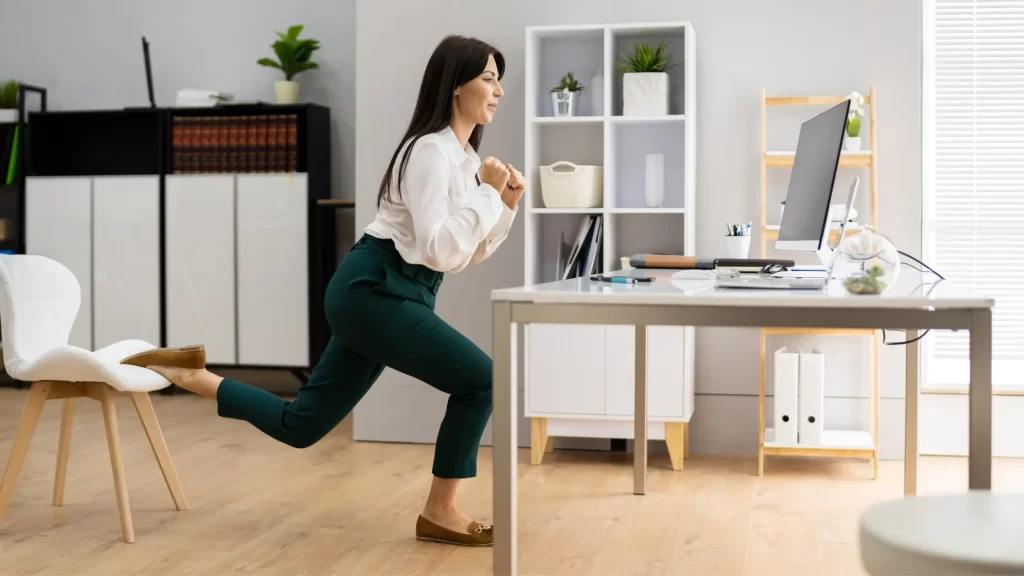
Exercise snacks are short bursts of physical activity that you can squeeze into your day, no gym, or workout clothes required. You don’t even need to leave your office or your living room.
You don’t need any equipment, either. Although the women in my Ready, Set, Soar program like to keep a pair of dumbbells or resistance bands nearby.
These mini-workouts are perfect for those days when you’re pressed for time but still want to get your body moving and maintain your fitness.
You can definitely “come as you are” for exercise snacks. But having comfortable attire, like good women’s running shoes to support your feet and a comfortable hoodie, can make a difference in your workout comfort and performance.
The Benefits of Short Bursts of Exercise
Exercise snacks aren’t meant to replace full-length workouts but to supplement them.
Here are some key benefits:
- Convenience: They can be done anywhere, anytime, without any special equipment.
- Consistency: Short bursts are easier to fit into a busy schedule, helping you stay consistent with your fitness routine.
- Energy Boost: Quick exercise sessions can break up long periods of inactivity. That can give you a burst of energy and help improve your focus.
- Health Benefits: Regular movement, even in short intervals, helps reduce the risks associated with prolonged sitting and sedentary behavior.
The Science Behind the Snack
The concept of exercise snacks isn’t just a trendy idea; it’s backed by research.
In an article on the subject, The Washington Post highlighted studies showing that even a couple of minutes of vigorous exercise spread throughout the day can greatly improve cardiovascular health and provide much-needed breaks from sitting.
Exercise Snacking and Functional Fitness
Need more evidence to get moving throughout your day?
Try this:
Exercise snacks are not only beneficial for counteracting the negative effects of prolonged sitting; they also play a crucial role in enhancing functional fitness.
Functional fitness involves exercises that train your muscles to work together and prepare them for daily tasks by simulating common movements you might do at home, work, or in sports.
Incorporating exercise snacks throughout your day helps maintain and improve:
- Strength: Short, frequent bursts of activity can help maintain muscle strength, making it easier to perform everyday tasks like lifting groceries or climbing stairs.
- Balance and Coordination: Regular movement breaks can enhance your balance and coordination, which reduces the risk of falls and improves overall stability.
- Flexibility: Frequent stretching and mobility exercises can help maintain and improve flexibility, preventing stiffness and enhancing your range of motion.
- Endurance: Short bursts of activity can help maintain cardiovascular health and endurance, making it easier to engage in prolonged physical activities.
Why Exercise Matters for Healthy Aging
The older we get, the more important it is to include exercise in our days. Did you know that we start losing muscle as early as our 30s, at a rate of about 10 percent a year if we don’t take steps to preserve what we have and, preferably, add to it over time.
Regular physical activity helps maintain muscle mass, bone density, and overall mobility, which are crucial for maintaining independence and quality of life.
Exercise also plays a significant role in preventing chronic conditions such as heart disease, diabetes, and osteoporosis.
Incorporating activities like strength training, cardio, and flexibility exercises can help mitigate the effects of aging, keeping us healthier and more vibrant.
It’s not just about living longer but living better, and exercise – including strength training – is a key component in achieving that.
Strength training is crucial for maintaining muscle mass, bone density, and overall functional fitness.
The older we get, the more important it becomes to incorporate strength-focused activities. Exercise snacks provide a convenient way to integrate strength training into your busy schedule.
What are some examples of exercise snacks?
Exercise snacks can span the range: from bodyweight, to strength work with dumbbells or bands, to using a cardio machine like a rower.
Don’t listen to the social media “influencers” who might try to tell you differently; there’s no one right way to do it.
It’s really up to you and what you feel inspired to do!
Scroll down for some examples of exercise snacks. Give them a try!
And if you find something else you like better, leave a comment and let us know. Everybody needs a fun new workout to try!
Bodyweight Exercise Snack
Here’s a simple strength-focused routine that requires no equipment and can be done anywhere:
- Set a timer for 5 minutes and complete as many rounds as you can of the following exercises:
- 10 squats
- 10 push-ups (elevated on a desk or sturdy chair if the floor isn’t an option)
- 10 sit-ups or a 30-second plank
This quick circuit targets major muscle groups and helps build strength. Just doing this a few times a day can make a significant difference over time.
Dumbbell Exercise Snack
Dial up the intensity with this version of an exercise snack that uses dumbbells. If you have a variety of weights, use the heavier ones for the squat and lighter ones for the overhead press.
- Set a timer for 5 minutes (or longer if you want) and do:
- 10 squats
- 10 bent-over rows
- 10 overhead presses
Go through the circuit as many times as you can until the timer goes off.
Rowing Exercise Snacks
Rowing is a full-body workout that engages multiple muscle groups. That makes it an excellent choice for short sessions that are either intense or easy.
For those with access to a rowing machine, incorporating rowing into your exercise snacks can add variety and ensure you’re working on both strength and cardio, which is essential for healthy aging.
Try one of these quick rowing-focused routines to both improve your technique and get your heart rate up:
Rowing Snack #1
The Pick Drill
- Do 10-15 strokes at each position, building intensity as you go:
- Arms-only
- Arms and body
- Half-slide
- Full slide
Repeat for a total of 2-3 rounds.
The pick drill is not only a great rowing warm-up; it also reinforces proper rowing technique. It’s a staple in many of our UCanRow2 On Demand workouts, from short to long.
Rowing Snack #2
If you’re looking for something more intense you can’t go wrong with this fun “around the world” series. We often use it in our high-intensity workouts, but you can also dial it back to make it work as an exercise snack.
- Minute 1: Get into your rowing rhythm and use it as a mini-warmup building a bit of intensity as you go
- Minute 2: Row 10 seconds harder, 50 seconds easy recovery
- Minute 3: Row 20 seconds harder, 40 seconds easy recovery
- Minute 4: Row 30 seconds harder, 30 seconds easy recovery
- Minute 5: Row 40 seconds harder, 20 seconds easy recovery
- Minute 6+: Continue to row easy for at least a minute – longer if needed – to recover and cool down
Try the Pick Drill
Want a follow-along version of the pick drill? UCanRow2 Lead Master Instructor Cassi Niemann has you covered. Have a watch (Or row!) and be sure to follow us on YouTube for more helpful tips to make the most of your rowing workouts, however long they turn out to be!
Was this helpful?
Remember that all exercise is good exercise and worth doing to improve your overall health and fitness. So if all you have is a few minutes a time or two a day, that’s great!
Longer workouts will always be there for you if and when you’re ready.
Questions on this? Or thoughts? Drop ’em in the comments, I’m always happy to answer!
If you think this post would help someone else, would you do me a huge favor and share it with them? The more people we can get moving and aging well, the better!
Recommended Next Steps
- Are you just getting started with rowing? Check out Beginner’s Guide to Rowing to get started on the right foot!
- Sign up for UCanRow2 News, where we share tips to help you use rowing to build your fitness at every age and stage
- Want news and evidence-based tips to rock life after menopause? Join my list and become a menopause maverick!
- Get a free trial of UCanRow2 on Demand, follow-along rowing and strength workouts of all lengths and for all levels